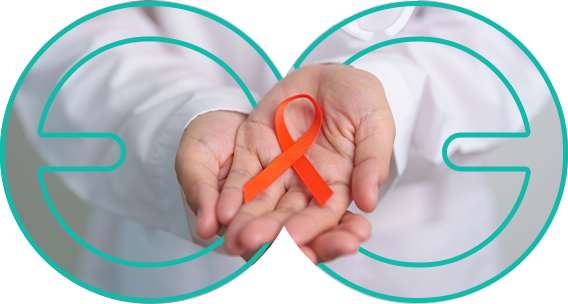
World Blood Cancer Day, observed annually on May 28, is a global initiative dedicated to raising awareness about blood cancers, including leukaemia, lymphoma, and multiple myeloma.
The day serves as a reminder of:
Millions of patients and families worldwide are impacted by these conditions, making awareness and scientific progress equally important.
Blood cancers affect the production and function of blood cells, often originating in the bone marrow or lymphatic system.
Common Types of Blood Cancer
Leukemia
A cancer of blood-forming tissues that affects white blood cells and bone marrow.
Lymphoma
Affects the lymphatic system, which is part of the immune system.
Multiple Myeloma
A cancer of plasma cells that impacts the body’s ability to fight infections.
Each type presents unique challenges in diagnosis, treatment, and long-term management.
Despite medical advancements, blood cancers continue to present significant challenges:
World Blood Cancer Day highlights the importance of collective action from awareness to scientific innovation.
Progress in treating blood cancers is driven by continuous advancements in:
Every approved therapy represents years of research, collaboration, and rigorous evaluation.
Pharmaceutical companies, researchers, clinicians, and clinical research organizations all play a role in advancing treatment options.
Clinical development and bioanalytical evaluation are essential to:
At Veeda Lifesciences, we contribute to global clinical development through end-to-end CRO services, supporting pharmaceutical and biotechnology companies across multiple therapeutic areas, including oncology.
Our services include:
Our focus remains on delivering high-quality data, maintaining compliance, and supporting efficient study execution.

World Blood Cancer Day is not only about awareness—it reflects a shared commitment across the healthcare and research ecosystem to improve patient outcomes.
Continued collaboration between industry stakeholders plays a key role in enabling scientific advancements and expanding treatment possibilities.
Explore How We Can Support Your Development Programsa
World Blood Cancer Day is observed on May 28 each year to raise awareness about blood cancers and the importance of diagnosis, treatment, and research.
It helps increase public understanding of blood cancers, encourages early detection, promotes stem cell donation, and highlights the need for continued research.
The primary types include leukaemia, lymphoma, and multiple myeloma, each affecting different parts of the blood and immune system.
Research enables the development of new therapies, improves diagnostic tools, and ensures treatments are safe and effective through clinical evaluation.
Clinical research organizations support the design, execution, and analysis of studies required to bring new therapies to market.
Organizations can support research initiatives, collaborate on clinical studies, and invest in scientific innovation to improve patient outcomes.
You can reach out to us at [email protected] to explore collaboration opportunities or visit our website to learn more about our services and capabilities.